Jul 23, 2026Buying Guides
Salon Furniture Import Guide for Distributors and Wholesalers
A practical guide to importing salon furniture from China, covering product selection, supplier evaluation, quality control, shipping, landed cost, inventory and after-sales support.

Salon Furniture Import Guide for Distributors and Wholesalers
Importing salon furniture is not simply a matter of finding attractive products at a competitive factory price.
For distributors and wholesalers, the real challenge is building a product range that can sell consistently, arrive safely, meet local market requirements and remain serviceable after delivery.
A styling chair may look profitable based on its FOB price, but its actual commercial value depends on many other factors:
- Is the model suitable for your customer base?
- Can several models be mixed in one order?
- Will the packaging survive international transportation?
- Are replacement pumps, controllers and plumbing parts available?
- How much will the product cost after freight, duty and local delivery?
- Can the supplier maintain consistent quality across repeat orders?
This guide explains the complete salon furniture importing process, from product selection and supplier evaluation to inspection, shipping, inventory planning and after-sales support.
It is written for salon furniture distributors, beauty equipment wholesalers, importers, retailers and professional salon supply companies that plan to source products directly from overseas manufacturers.
1. Decide Which Salon Furniture Categories to Import
One of the most common mistakes made by new importers is selecting too many unrelated models without a clear product-range strategy.
A catalogue may contain hundreds or even thousands of salon chairs, shampoo units, barber chairs, beauty beds and accessories. However, a distributor does not need to import every available design.
The first objective should be to create a balanced range that covers different customer needs and price levels.
Core salon furniture categories
A complete salon furniture range may include:
- Styling chairs
- Barber chairs
- Shampoo units and wash units
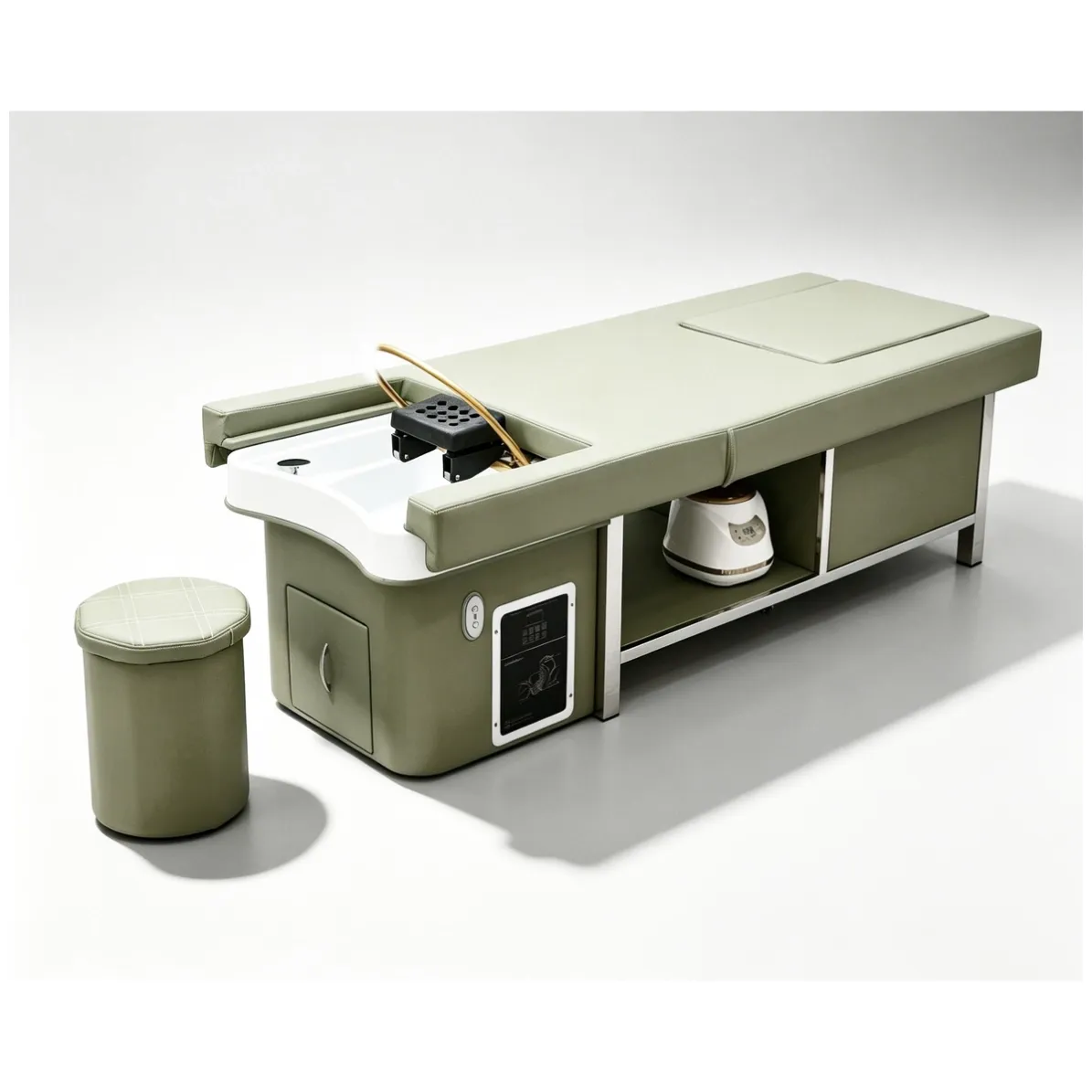
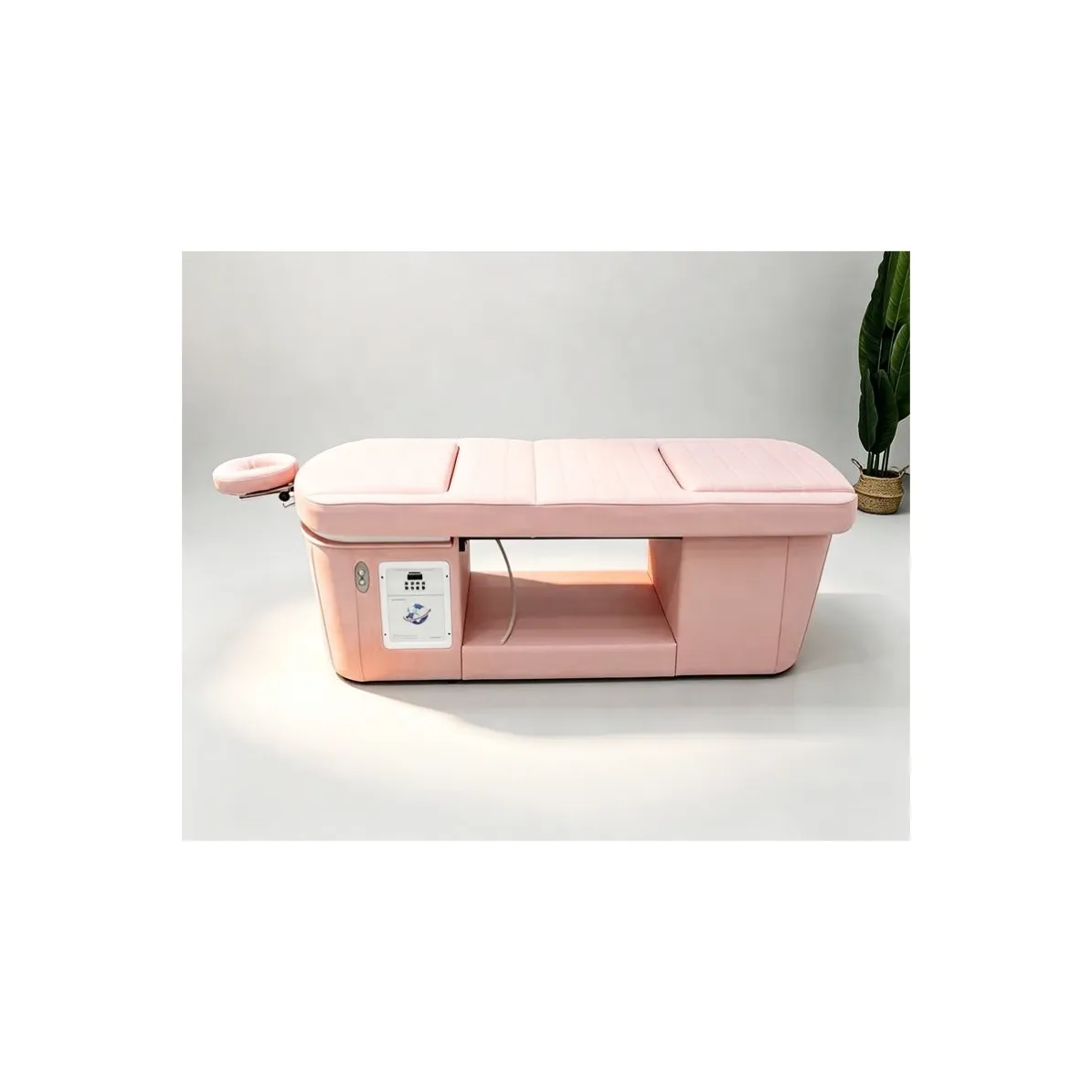
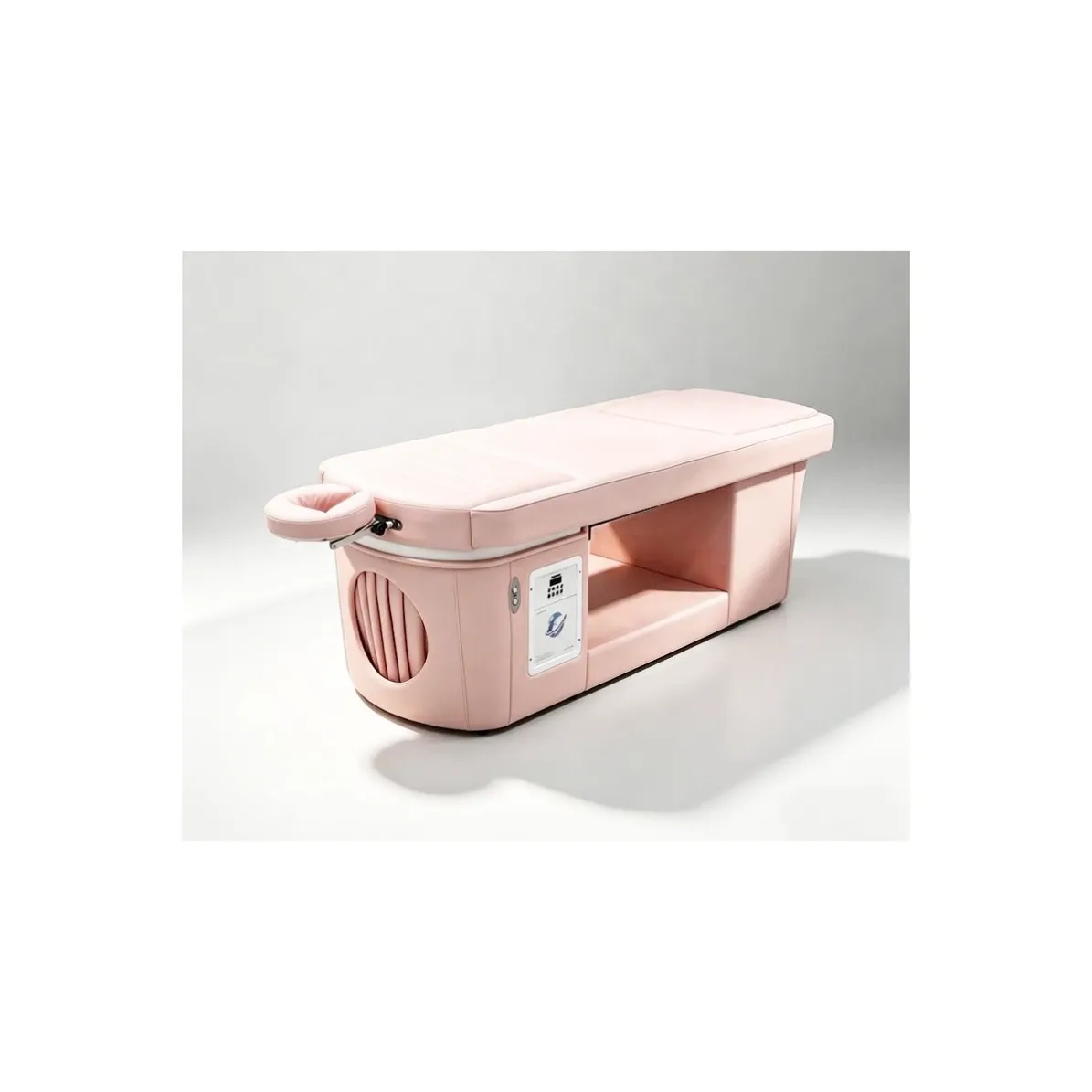
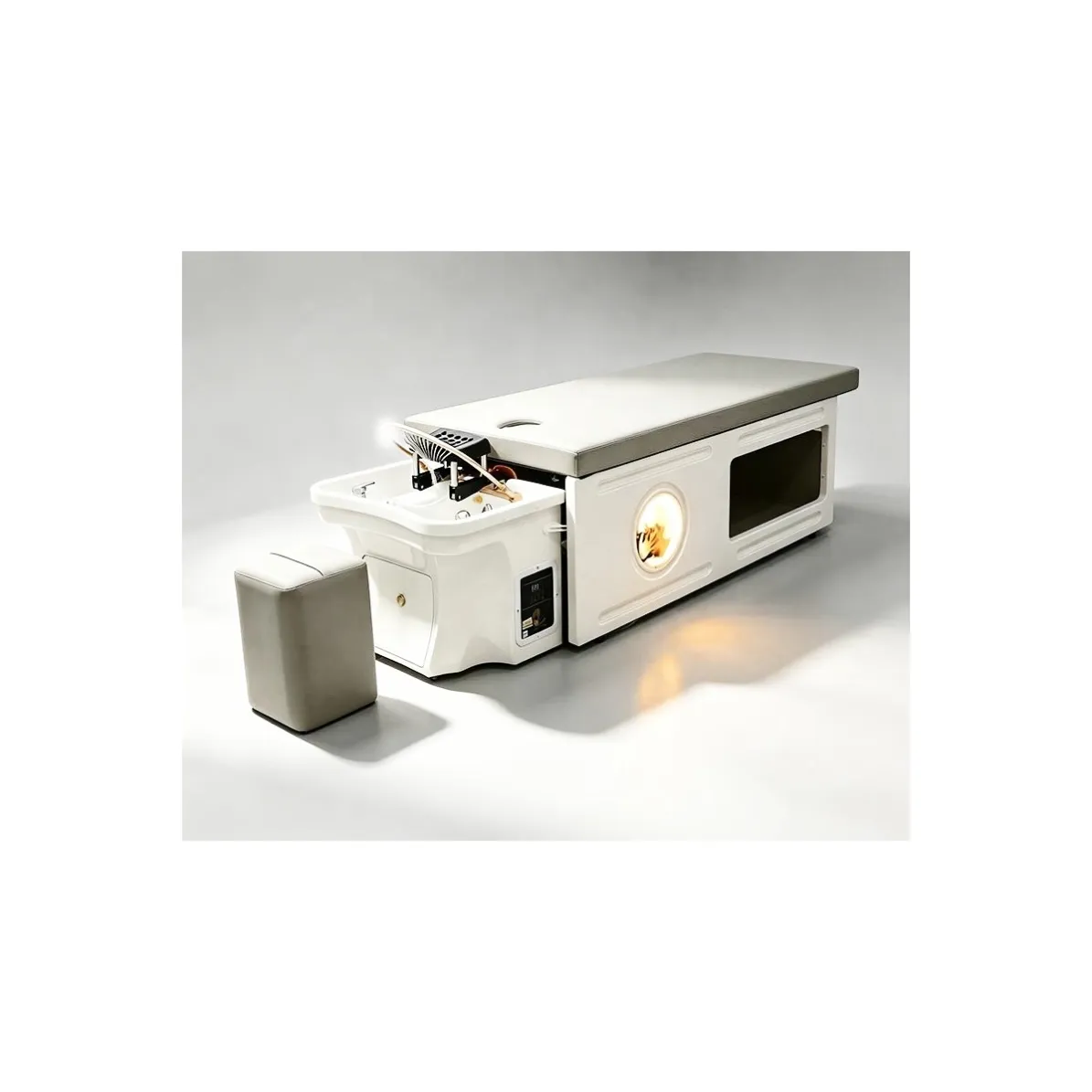
- Japanese head spa beds
- Portable head spa sinks
- Beauty and treatment beds
- Salon stools
- Trolleys and storage cabinets
- Mirrors and workstations
- Reception desks and waiting chairs
- Manicure tables and pedicure furniture
The right product mix depends on your existing customer base.
A hair salon furniture distributor may begin with styling chairs, shampoo units and salon stools. A beauty equipment supplier may find beauty beds and head spa equipment more relevant. A barber supply company may prioritise barber chairs, wash units and workstations.
The product range should match the purchasing habits of your local customers rather than the size of the supplier’s catalogue.
2. Build a Commercial Product Range, Not Just a Collection of Designs
Distributors should evaluate products according to their commercial role.
A practical product range normally includes four levels.
Product Level | Commercial Role | Typical Products |
|---|---|---|
Entry Level | Attract price-sensitive customers | Basic styling chairs, manual beauty beds, portable sinks |
Core Range | Generate regular sales | Standard salon chairs, shampoo units, stools |
Premium Range | Increase margin and brand positioning | Electric beauty beds, premium barber chairs, head spa beds |
Add-On Range | Increase average order value | Trolleys, mirrors, stools, spare parts |
The core range should contain models that are easy to understand, easy to sell and suitable for a broad group of salons.
Premium models can be used to increase margins and strengthen your showroom or catalogue positioning, but they should not occupy too much initial inventory unless you already understand the demand.
Add-on products are also important. A salon purchasing four styling chairs may also need stools, trolleys, mirrors or a reception desk. These products can increase the value of each customer order without requiring a separate sales process.
Recommended starter-range logic
A new distributor can consider:
- Two or three styling chair designs
- One or two shampoo unit models
- One salon stool
- One trolley or storage unit
- One beauty bed or head spa model
- A small selection of common spare parts
This gives customers enough choice without creating excessive inventory complexity.
3. Understand Your Target Customers Before Selecting Models
The best-selling salon furniture in one country may not perform equally well in another.
Before placing an order, consider:
- Average salon size
- Popular interior styles
- Local selling prices
- Customer preference for manual or electric functions
- Available salon plumbing and electrical systems
- Demand for premium treatments
- Typical delivery access and installation conditions
- Whether customers buy complete salon packages or individual pieces
For example, compact salons may prefer narrower styling chairs and portable equipment. Premium beauty centres may be more interested in electric treatment beds and integrated head spa systems.
Colour selection also affects inventory risk.
Black, beige, brown and neutral colours are usually easier to integrate into different salon interiors. Special colours, metallic finishes and customised upholstery may be suitable for showroom samples or confirmed projects, but they can be slower to sell from stock.
A distributor should select products according to local commercial demand rather than personal design preference.
4. Manufacturer, Trading Company or Product Integrator?
Salon furniture importers may work with different types of suppliers.
Direct manufacturer
A direct manufacturer normally has stronger control over production, materials, technical changes and repeat-order consistency.
It may be suitable when:
- You order larger quantities
- You focus on a specific product category
- You require customised production
- You need stable long-term supply
However, some factories specialise in only one or two categories. A styling chair factory may not produce beauty beds, mirrors or reception furniture.
Trading company
A trading company can combine products from several factories and may offer a wider product range.
It may be suitable when:
- You need many categories in one shipment
- Your order quantity per model is small
- You need sourcing and consolidation support
- You prefer one point of communication
The main risk is limited control over production consistency and technical details.
Integrated salon furniture supplier
An integrated supplier may manufacture part of the range directly while coordinating other related products through long-term partner factories.
This model can be useful for distributors that require:
- Mixed product categories
- Consolidated inspection
- Unified packaging coordination
- One commercial invoice and packing list
- Mixed-container loading
- Coordinated after-sales support
The supplier type is less important than its ability to control quality, communication, documentation and repeat-order consistency.
5. How to Evaluate a Salon Furniture Supplier
A professional supplier evaluation should go beyond checking product photos and quoted prices.
Product knowledge
The supplier should understand the internal structure and function of the products it sells.
For example, it should be able to explain:
- Hydraulic pump specifications
- Base material and stability
- Frame construction
- Foam density
- Upholstery options
- Reclining mechanisms
- Motor configuration
- Plumbing requirements
- Water circulation systems
- Packaging structure
A supplier that cannot clearly explain its products may struggle to solve quality or after-sales problems later.
Production and quality control
Ask how the supplier controls:
- Incoming materials
- Metal welding and polishing
- Upholstery cutting and sewing
- Assembly
- Functional testing
- Final appearance inspection
- Packaging
- Container loading
Factory photos are useful, but they should not be the only evidence. Inspection records, test procedures, packaging examples and repeat-order experience provide a more complete picture.
Export experience
A supplier with relevant export experience should understand:
- Export packaging
- Product labelling
- Shipping marks
- Commercial documents
- Voltage and plug differences
- Plumbing connection differences
- Container loading
- Damage prevention
- Replacement-parts delivery
Export experience does not automatically guarantee quality, but it reduces avoidable communication and logistics problems.
Responsiveness and technical communication
Before ordering, observe how the supplier answers questions.
Does it provide specific answers, or only send a catalogue?
Does it clarify uncertain specifications?
Does it point out possible installation or compliance issues?
A supplier’s communication quality before the order often indicates how it will handle problems after payment.
6. Prepare a Clear RFQ Before Comparing Prices
Many importers ask suppliers for a general catalogue and price list. This usually creates more confusion rather than a clear purchasing decision.
A useful request for quotation should include:
- Product category
- Preferred models or design direction
- Estimated quantity
- Target market
- Required colour
- Upholstery material
- Frame or metal finish
- Electrical voltage and plug type
- Plumbing requirements
- Logo or private-label requirements
- Packaging expectations
- Delivery destination
- Preferred Incoterm
- Required documents
- Expected order timing
For electric beds and head spa equipment, also confirm:
- Number of motors
- Control method
- Water heater requirements
- Water circulation function
- Water tank capacity
- Drainage method
- Steam function
- Rated voltage and frequency
A detailed RFQ allows suppliers to quote the same specification, making price comparison more meaningful.
7. Compare Specifications Before Comparing Prices
Two salon chairs may look almost identical in photos but have different internal structures and long-term performance.
A lower price may result from differences in:
- Hydraulic pump quality
- Steel thickness
- Base size and weight
- Foam density
- Upholstery grade
- Reclining mechanism
- Internal wooden structure
- Metal finishing
- Packaging material
- Included accessories
- Warranty terms
For shampoo units, the price may vary because of:
- Ceramic basin quality
- Faucet and shower components
- Drainage fittings
- Seat frame structure
- Upholstery
- Plumbing accessories
- Basin tilting function
- Footrest or reclining function
For electric beauty beds and head spa beds, the difference may involve:
- Motor quantity
- Motor brand
- Control system
- Frame structure
- Lifting capacity
- Water system
- Heater configuration
- Steam function
- Electrical components
- Included accessories
The correct question is not only, “Which supplier has the lowest price?”
It is:
Which supplier offers the most suitable specification, quality control, packaging and after-sales support for my target selling price?
8. MOQ, Mixed Models and Trial Orders
Minimum order quantity is especially important for distributors entering a new category.
A high MOQ per model can create unnecessary inventory pressure. A very low MOQ may be available, but the unit price and shipping cost can be higher.
The most practical solution is often a mixed-model order.
For example, a distributor may order:
- Several styling chair models
- One or two shampoo unit models
- A small quantity of stools
- One head spa or beauty bed sample
- Spare pumps and accessories
This creates a broader showroom or test range while controlling the total order value.
When discussing MOQ, ask:
- Is the MOQ calculated per model or per colour?
- Can different upholstery colours be mixed?
- Can several categories be loaded together?
- Is there a surcharge for small quantities?
- Can samples be included in a larger shipment?
- Can customised logos be applied to trial orders?
A sample order should not only confirm appearance. It should also test assembly, comfort, stability, packaging and local customer response.
9. Product Quality Checklist by Category
Different salon furniture categories require different inspection priorities.
Styling Chairs and Barber Chairs
Check:
- Hydraulic lifting and lowering
- Rotation and locking
- Base stability
- Reclining mechanism
- Footrest strength
- Armrest movement
- Seat comfort
- Upholstery tension
- Stitching quality
- Foam recovery
- Metal finishing
- Scratches, dents or colour variation
The chair should remain stable at different heights and should not tilt excessively during normal use.
For reclining barber chairs, the backrest and footrest mechanism should be tested repeatedly under load.
Shampoo Units
Check:
- Ceramic basin surface
- Cracks or glaze defects
- Basin mounting
- Water inlet fittings
- Shower hose
- Faucet
- Drain hose
- Water leakage
- Seat and backrest stability
- Neck support
- Plumbing access
- Packaging protection around the basin
The ceramic basin is one of the most vulnerable parts during transportation. Its packaging should include rigid support and sufficient impact protection.
Beauty Beds
Check:
- Frame stability
- Backrest adjustment
- Leg-rest adjustment
- Height adjustment
- Motor operation
- Hand or foot controller
- Upholstery
- Mattress shape
- Welding
- Wheels and locking system
- Load performance
- Electrical labels
For electric beds, all motors should operate smoothly without abnormal noise or uneven movement.
Japanese Head Spa Beds
Check:
- Basin shape and installation
- Water inlet and drainage
- Water circulation system
- Water tank
- Water heater
- Steam function
- Control panel
- Leakage protection
- Pump operation
- Filter access
- Cleaning access
- Electrical configuration
- Bed comfort
- Packaging of plumbing and electrical parts
The importer should clearly understand whether the system requires fixed plumbing, an external water connection or an integrated water tank.
Nail Furniture
Check:
- Tabletop material
- Cabinet construction
- Drawer slides
- Surface finishing
- Moisture resistance
- Dust collector specifications
- Electrical outlets
- Assembly structure
- Edge protection
- Packaging of stone or brittle surfaces
10. OEM, Private Label and Product Customisation
Customisation can help distributors build a more recognisable product range, but it should be introduced gradually.
Common customisation options include:
- Upholstery colour
- PU or PVC material
- Metal frame finish
- Base colour
- Embroidered logo
- Printed logo
- Metal logo plate
- Packaging marks
- Product labels
- Instruction manuals
- Carton design
More advanced OEM projects may involve:
- Product dimensions
- Armrest design
- Base design
- Basin configuration
- Motor functions
- Control systems
- Internal frame changes
- Exclusive moulds
For a first order, visual customisation is usually easier and less risky than structural customisation.
Before confirming an OEM order, clarify:
- Development cost
- Sample cost
- MOQ
- Production lead time
- Ownership of moulds or drawings
- Approved sample procedure
- Colour tolerance
- Packaging changes
- Replacement-part compatibility
A customised appearance has limited value if replacement parts cannot be supplied consistently.
11. Understand FOB, CIF, DAP and DDP Quotations
Importers should understand what is included in each quotation.
EXW
The buyer collects the goods from the supplier’s factory and manages almost all transportation and export arrangements.
This term may appear inexpensive but requires strong logistics support.
FOB
The supplier delivers the goods to the export port and completes export clearance. The buyer manages ocean freight, destination charges, import clearance and local delivery.
FOB is commonly used when the importer has its own freight forwarder.
CIF
The supplier arranges ocean freight and insurance to the destination port. The buyer still handles destination port charges, customs clearance, duty, tax and local delivery.
CIF quotations should be reviewed carefully because destination charges may not be included.
DAP
The goods are delivered to an agreed destination, but the buyer normally remains responsible for import clearance, duty and taxes.
DDP
The supplier or logistics provider arranges delivery including import-related procedures and charges, according to the agreed quotation.
DDP can be convenient for small shipments, but the importer should confirm who acts as the importer of record and what documentation will be provided.
The best Incoterm depends on shipment size, destination, import experience and local customs requirements.
12. Calculate the Real Landed Cost
FOB price is only one part of the total import cost.
A basic landed-cost calculation may include:
**Product Cost
- Export Packaging
- Inland Transportation
- Export Charges
- International Freight
- Cargo Insurance
- Import Duty
- Tax or VAT
- Port and Customs Charges
- Local Delivery
- Assembly or Installation
- Damage Allowance**
Importers should calculate landed cost by individual product or cubic metre rather than dividing all costs equally.
Large shampoo units and beauty beds may occupy significantly more container space than stools or accessories. A lower-priced product can sometimes have a higher freight cost per unit because of inefficient packaging.
Example
Assume a mixed shipment contains:
- Styling chairs
- Shampoo units
- Salon stools
- Beauty beds
- Spare parts
The importer should calculate:
- Total product value
- Total shipment volume
- Freight and destination charges
- Duty and tax
- Local warehouse delivery
- Estimated damaged or replacement allowance
- Landed cost per product
- Target wholesale selling price
- Expected gross margin
This calculation should be completed before confirming the final product mix.
13. LCL, FCL and Mixed-Container Shipping
Sample or courier shipment
Suitable for:
- Small spare parts
- Upholstery samples
- Colour samples
- Controllers
- Pumps
- Small accessories
Large salon chairs and beds are usually expensive to ship by courier or air.
LCL shipment
Less-than-container-load shipping can be suitable for small trial orders.
Advantages:
- Lower initial order quantity
- Suitable for market testing
- Allows mixed products
Possible disadvantages:
- More handling
- Higher damage risk
- Longer transit process
- Higher local charges per cubic metre
Strong export packaging is especially important for LCL shipments.
Full-container shipment
A full container normally offers better control over loading and reduces handling between origin and destination.
It may also reduce freight cost per product when the container is used efficiently.
Mixed-container shipment
A mixed container can include salon chairs, shampoo units, beauty beds, stools and accessories.
This is useful for distributors building a complete product range, but it requires careful coordination of:
- Production schedules
- Packaging dimensions
- Product quantities
- Loading sequence
- Weight distribution
- Fragile items
- Shipment documents
A professional supplier should prepare a packing list and loading plan before shipment.
14. Packaging Has a Direct Impact on Import Profit
Packaging should protect the product while using container space efficiently.
Poor packaging can cause:
- Scratched metal parts
- Damaged upholstery
- Broken ceramic basins
- Bent frames
- Missing accessories
- Water damage
- Carton collapse
- Higher claims and replacement costs
Overly large packaging can also reduce the number of products loaded in one container.
Ask the supplier for:
- Carton dimensions
- Gross and net weight
- CBM per product
- Packaging photos
- Internal protection materials
- Wooden-frame or plywood-crate options
- Drop-test or transport-test information
- Container loading quantity
For fragile ceramic basins and stone tabletops, packaging should include stronger internal support and edge protection.
For salon chairs, detachable bases may improve loading efficiency, but the importer should consider local assembly requirements.
15. Pre-Shipment Inspection
A pre-shipment inspection should take place after production is complete and before the balance payment or shipment.
The inspection may cover:
- Order quantity
- Product models
- Colours
- Dimensions
- Functions
- Accessories
- Logos
- Labels
- Carton marks
- Packaging
- Product appearance
- Basic load and stability tests
- Electrical operation
- Plumbing components
- Spare parts
- Documentation
For mixed orders, inspectors should verify each model rather than testing only one product category.
Photos and videos are useful, but they should follow a clear inspection checklist.
For larger orders, importers may use a third-party inspection company. For trial orders, the supplier can provide a detailed internal inspection report, although independent verification may still be appropriate for high-value or technically complex products.
16. Documents and Market Requirements
The required documents depend on:
- Product type
- Electrical configuration
- Destination country
- Sales channel
- Local importer responsibilities
Common commercial documents may include:
- Commercial invoice
- Packing list
- Bill of lading
- Certificate of origin, where applicable
- Product specification sheet
- User manual
- Product labels
- Test reports
- Material information
- Declaration documents, where applicable
Not every salon furniture product requires the same documentation.
A non-electric salon chair and an electric beauty bed should not be treated as identical products.
CE marking, electrical documentation and other conformity requirements apply only where relevant to the product and destination market.
Importers should confirm applicable local requirements before ordering, especially for products containing:
- Electric motors
- Heaters
- Pumps
- Control panels
- Lighting
- Steam systems
- Water circulation components
The supplier should provide accurate product information, but the importer remains responsible for confirming local market requirements.
17. Warranty and Spare Parts
Warranty terms should be discussed before the order, not after a problem occurs.
Confirm:
- Warranty period
- Parts covered
- Parts excluded
- Claim procedure
- Evidence required
- Replacement-part delivery method
- Labour responsibility
- Freight responsibility
- Response time
- Support for discontinued models
Common spare parts may include:
- Hydraulic pumps
- Chair bases
- Reclining mechanisms
- Footrest components
- Controllers
- Motors
- Power supplies
- Wheels
- Drain hoses
- Shower hoses
- Faucets
- Water pumps
- Filters
- Switches
- Remote controls
Distributors should keep basic spare parts in local stock.
Replacing a small component locally is usually faster and more economical than returning a complete salon chair or beauty bed.
A reliable supplier should maintain clear product and spare-part identification so the correct component can be supplied later.
18. Plan Inventory According to Sales Speed
A distributor should not manage all products in the same way.
Core stock
Products with stable demand should be available for immediate delivery.
These may include:
- Neutral-colour styling chairs
- Standard shampoo units
- Salon stools
- Basic beauty beds
- Common spare parts
Display and pre-order products
Premium or larger products may be displayed in a showroom but ordered according to confirmed customer demand.
These may include:
- Electric beauty beds
- Premium barber chairs
- Head spa systems
- Special-colour salon packages
- Customised reception furniture
Test products
New categories should be introduced through limited quantities.
A sample can be used for:
- Customer demonstrations
- Product photography
- Video content
- Showroom display
- Market feedback
- Technical evaluation
The decision to increase stock should be based on actual enquiries and sales rather than assumptions.
19. Common Salon Furniture Importing Mistakes
Choosing products only by appearance
A visually attractive product may have weak internal construction, unsuitable dimensions or poor after-sales support.
Comparing only unit prices
Freight, packaging, replacement parts and damage rates can eliminate the apparent saving from a lower purchase price.
Importing too many models
A very broad first order creates fragmented inventory and makes repeat purchasing more difficult.
Ignoring packaging dimensions
Packaging volume directly affects freight cost and container capacity.
Failing to confirm local specifications
Voltage, plug type, plumbing fittings and drainage requirements vary between markets.
Ordering customised products too early
Complex customisation increases development cost, MOQ, lead time and communication risk.
Not ordering spare parts
A small missing component can prevent a complete product from being used or sold.
Skipping pre-shipment inspection
Once products arrive, correcting specification or packaging mistakes becomes much more expensive.
20. Step-by-Step Salon Furniture Import Process
A practical import project may follow these stages:
Step 1: Define the target market
Identify customer type, selling price, style preference and product demand.
Step 2: Select product categories
Choose the categories most relevant to your existing business.
Step 3: Build a starter range
Select entry-level, core, premium and add-on products.
Step 4: Prepare the RFQ
Provide clear quantities, specifications, colours and destination details.
Step 5: Evaluate suppliers
Review product knowledge, quality control, export experience and after-sales capability.
Step 6: Compare quotations
Compare specifications, packaging, MOQ, lead time, warranty and total landed cost.
Step 7: Order samples
Test appearance, function, packaging, assembly and customer response.
Step 8: Confirm the order
Approve product specifications, colours, logos, packaging and payment terms.
Step 9: Monitor production
Confirm production progress and any technical changes.
Step 10: Inspect the goods
Check quantity, quality, functions, packaging and documents.
Step 11: Arrange shipping
Choose the appropriate Incoterm, freight method and insurance.
Step 12: Receive and record products
Inspect the shipment upon arrival and record any damage or missing items.
Step 13: Prepare local after-sales support
Stock common spare parts and create a simple claim-handling process.
Step 14: Review sales performance
Use actual sales data to determine repeat orders and future model selection.
21. Questions to Ask Before Placing an Order
Before confirming a salon furniture order, ask the supplier:
- What is the MOQ per model and colour?
- Can different models be mixed in one shipment?
- What specifications are included in the quoted price?
- What parts can be customised?
- What is the sample policy?
- What is the production lead time?
- What quality tests are completed?
- What is the packaging size and CBM?
- How many units fit in a container?
- Which spare parts are available?
- What is the warranty procedure?
- Which documents can be provided?
- Can the products be supplied with the correct voltage and plug?
- Can replacement parts be supplied for repeat orders?
- How are transport-damage claims handled?
Clear answers to these questions will reduce misunderstandings and help you compare suppliers more accurately.
22. Frequently Asked Questions
Is it possible to import mixed salon furniture models?
Yes. Many distributors combine styling chairs, shampoo units, stools, beauty beds and accessories in one shipment. The available quantity per model depends on the supplier’s MOQ and production arrangement.
Should a new distributor begin with samples?
Samples are recommended for checking quality, packaging, comfort, assembly and customer response. Larger electric or plumbing products should also be tested for local installation requirements.
What is the best shipping method for salon furniture?
The best method depends on shipment volume and destination. LCL can be suitable for small trial orders, while full-container shipping usually offers better loading control and lower unit freight cost for larger orders.
How can importers reduce salon furniture shipping costs?
Importers can reduce costs by selecting space-efficient packaging, mixing complementary products, optimising container loading and avoiding excessive packaging volume.
Are all salon furniture products required to have CE certification?
No. Requirements depend on the product, its functions and the destination market. Electric products and products containing motors, heaters or control systems may have different requirements from non-electric furniture.
What spare parts should salon furniture distributors keep?
Common parts include hydraulic pumps, controllers, motors, wheels, hoses, faucets, drain fittings, switches and reclining components. The exact list depends on the product range.
How should distributors choose salon furniture colours?
Neutral colours are generally easier to stock. Special colours and finishes can be offered through samples, pre-orders or project-based production.
Can salon furniture be private labelled?
Many products can support logo application, customised upholstery, labels, manuals and packaging. MOQ and cost depend on the customisation method.
Build a Salon Furniture Range That Can Be Sold and Supported
Successful salon furniture importing requires more than finding attractive products.
Distributors need a product range that matches local demand, provides suitable margins, ships efficiently and can be supported after the sale.
The most important factors are:
- Clear product positioning
- Suitable starter models
- Accurate specifications
- Reliable quality control
- Efficient packaging
- Realistic landed-cost calculation
- Spare-parts availability
- Consistent repeat-order supply
Proszen supports salon furniture distributors and wholesalers with mixed-model orders, OEM and private-label options, export packaging, inspection coordination and after-sales spare parts.
Our product range includes salon chairs, shampoo units, barber chairs, beauty beds, Japanese head spa equipment and related salon furniture.
Send us your target market, preferred product categories and estimated order quantity. We will recommend a practical starter range and provide the corresponding product specifications, packing information and quotation for evaluation.